20% Discount for Veterans, First Responders & Their Families

Phone Icon Y Arizona: (480) 616-3636Phone Icon Y Nevada: (702) 818-0284

Questions to Ask Before Buying a New Furnace

You spent some money on repairing your furnace last year and now it isn’t working again. Should you consider a new gas furnace? Maybe a heat pump or mini split would be a better choice. You are wondering what the best way to heat your home is. What about efficiency for lower utilities, financing, air quality, discount pricing, and more? It’s your decision, but you will feel better if it is an informed decision. Heating and cooling systems have a long life expectancy. You want to make a decision that you won’t regret in a few years. You need to talk to a trusted HVAC professional like the good people at Semper Fi Heating & Cooling.

  1. Repair or replace?If your system was installed before 2006, congratulations! You have enjoyed many years of home comfort, but it is time for a replacement. Your system is very likely at the end of its operational life expectancy. It does not meet modern energy efficiency standards. The good news is that your new system is going to be more efficient and you should save on utility costs.If your system is newer than 2006, the decision is not so clear. Repair history is a factor. If you have been experiencing expensive repairs every year, replacement may be a better choice. If your system has not been getting regular preventative maintenance over the years, it may need replacement sooner. Is your system keeping your home warm in winter and cool in summer? If it is not providing you a comfortable home year-round, consider replacement.
  2. What type of system?Should you stay with the gas furnace and central heating and cooling or switch to a heat pump? It is usually a little less expensive to stay with what you have. The unique size and configuration of your home matters. Local utility availability and costs are a consideration. Your HVAC professional can help you with the decision. However, the most important consideration is how happy you are with what you have.Another decision is if you should replace only the furnace or furnace and air conditioner. Furnaces have a longer life expectancy than air conditioners. If your air conditioner has been replaced in the last five to eight years, you may not need to replace both. If neither have been replaced for 20 years, then both should probably be replaced.
  3. What size for my home?The right size for an HVAC system is slightly larger than the smallest size that provides the home comfort level you are satisfied with. Too small and you will be cold in winter and hot in the summer. Too large and you will be paying for a larger system and higher utility bills. If you made an addition to your home since the current system was installed, you will need a larger system as a replacement. An HVAC professional can calculate the right size for you.
  4. Is financing available?Like Semper Fi Heating & Cooling, most HVAC companies offer quick, easy, and flexible financing options. Equipment manufacturers sometimes offer rebates. Tax credits are also available for some new equipment. HVAC companies may offer pre-season or end-of-season reduced pricing on full system replacement. Uniquely, Semper Fi Heating & Cooling offers a 20% discount to veterans, first responders, and their families.
  5. Will a new furnace be more efficient?If your system is old enough that you are considering replacement, the system you replace it with will be a higher efficiency system. Efficiency standards have evolved significantly over the past few years. You can be sure that your new system will be highly efficient.

For more information about furnace replacement, tune-ups, or other heating and cooling problems, call the expert technicians at Semper Fi Heating & Cooling at 480-616-3636.
Is a Tankless Water Heater Right for Your Home?

A conventional water heater is like a good and loyal dog. It eagerly awaits being called on to provide warmth and comfort. No matter how often you ignore your water heater, it stays ready for you. When you sleep at night, it keeps the water in the tank hot. When you leave for a day at work, it keeps the water hot all day long. When you take a two-week vacation, it never misses a minute of keeping your water at the perfect temperature for when you return. Like the loyal dog, it’s there for you when needed.

Therein lies the fundamental problem; a conventional water heater keeps the water hot 24 hours a day, 365 days a year whether you need it or not. It only runs out of hot water when you use so much that the tank empties before the last person in your family finishes showering. When a conventional water heater runs low on hot water, it takes time before more hot water is available.

A tankless water heater has a different personality. It doesn’t heat up the water until you ask for it. When you are not using hot water, a tankless water heater does not run up your utility bill by reheating the water in your tank. As long as there is cold water coming into your home, you can have hot water coming out of your faucets. A tankless water heater almost never runs out of hot water. Yes, almost never. If multiple family members are showering at the same time, the tankless water heater may not always keep up. It isn’t absolutely clear-cut; there are pros and cons to tankless.

Pros & Cons
  1. Tankless heaters can run out of hot water when there are multiple users. Tank water heaters can do the same but a properly sized water heater with a tank will usually outlast a tankless system before the water cools down. However, with tankless, the hot water comes back almost instantly when there is only one user.
  2. The initial cost of a tankless water heater system is higher than a conventional tank water heater. Consumer Reports estimates that a typical tankless system is 22% more efficient than a traditional system. Also, tankless models last longer, typically twice as long as a tank before needing to be replaced.
  3. Tankless systems take up less space than conventional systems; they can usually be mounted on a wall. A water softener is sometimes needed for the tankless system to work properly. When a water softener is needed, the amount of extra space is reduced.
  4. Like a conventional water heater, a tankless water heater can be either gas or electric. For replacement in a home that already has gas lines in place, there may be some extra cost to adjust the gas lines for tankless.
  5. One pro with no con is the elimination of standby loss energy cost. With a tank system, energy is being used to reheat the water in the tank even when no one is at home. That cost is completely eliminated with tankless. It’s tankless, but not thankless; it will definitely lower your utility costs.

Is a tankless water heating system right for you? Talk to the plumbing professionals at Semper Fi Heating & Cooling at 480-616-3636 to learn more.

Fall/Winter Maintenance Checklist

In central Arizona, winter tends to arrive late and leave early. Even though freezing temperatures are extremely rare, winter does arrive every year, and your furnace needs service and preventative maintenance every winter. Here are five checklist tips to get you through the winter.

    1. Interior air qualityInterior air collects dust, allergens, and other pollutants. Does your furniture need dusting occasionally? The fine particles that you collect when you dust are the same that are circulating in your interior air day after day. In most cases, the quality of your interior air is much poorer than outside air. Your heating and cooling technician can measure your indoor air quality and recommend methods to clean it and reduce harmful pollutants.The first line of defense against dirty indoor air is your air filter. Change your furnace filter frequently, use a high-quality air filter, and change it often. If you remove a filter and it is noticeably darker from accumulated dust, you aren’t changing it as often as you should.

Over the years, dust and other pollutants accumulate in ductwork. Professional duct cleaning and sealing will remove years of accumulated grime and improve the quality of the air that is circulating in your home. Devices can be installed in ductwork to kill bacteria, viruses, mold, and other harmful materials in your air. Ask your technician for recommendations.

  1. Thermostat settingsA good rule of thumb for a thermostat is to set it at 68 degrees for the winter and 76 degrees for the summer. In winter, many homeowners choose to lower their thermostats overnight. Every one degree higher in winter or lower in summer will add about 1% to your utility bill. A programmable or smart thermostat will adjust the settings to accommodate your daily and weekly routine. In most cases, programmable and smart thermostats pay for themselves through reduced utility costs.
  2. Furnace maintenanceAn often-overlooked way in which programmable thermostats pay for themselves is that your furnace will run less often, usually giving it additional years of service before needing to be replaced. Regular tune-ups and preventative maintenance will also prolong the efficient operating life of your furnace. Annual service plans pay for themselves, but equally important is the peace of mind that you are not going to have a system breakdown on a cold night or when your family is gathering for the holidays.
  3. Unpleasant smellsWhen furnaces get turned on for the first time after not being used for months, it is not uncommon for homeowners to notice a burning smell. It is likely that the smell comes from the dust that has accumulated over the months of not being used. As the dust burns off, it emits a burning plastic smell. Allow 10-15 minutes for the dust to burn off, and the smell should go away. If the smell lingers longer, there might be a different problem and you should turn the furnace off and call Semper Fi Heating & Cooling. They will send a technician to check it out.
  4. InsulationGood insulation, properly installed, helps keep the cold air out in the winter and hot air out in the summer. Inadequate insulation—along with windows and doors that are not sealed properly—lets in the outside air and causes your heating and cooling system to work harder year-round. Good insulation allows your furnace and air conditioner to work less and with fewer repairs for longer.

For more information about furnace problems, tune-ups, or other heating and cooling problems, call the expert technicians at Semper Fi Heating & Cooling at 480-616-3636.

Do You Have Problems with Your Heating and Cooling Ducts?

Your ductwork is probably the part of your heating and air conditioning system that you think about the least. You may have kept up with regular repairs and maintenance on your furnace and air conditioner. You may have even replaced your furnace or air conditioner in recent years, all the while giving little thought to your ductwork. However, there are heating and cooling problems that are caused by ductwork issues. The problems can develop whether your ductwork is newer or vintage. The technicians at Semper Fi Heating & Cooling can help you identify and repair ductwork issues that are keeping your system from operating as it should. Look for these ductwork-related issues:

  1. When your ducts develop air leaks, your systems need to run longer to provide the warm or cool air required. This will cause your energy bills to go up. If your system provided even heating and cooling when it was new, then it was properly sized for your home. If your air conditioner and furnace are in good working order, then the proper amount of air is going into your ducts. If the air coming out of your ducts is inadequate, it may very well be the result of leaking ducts.
  2. Uneven heating or cooling can often be traced back to leaking or improperly sized ducts. More air may reach some rooms more than others. Ask your service technician to evaluate your uneven heating and cooling problems. Repairing ducts to correct the problem is often the least-expensive as well as the best long-term solution.
  3. All of the air that circulates in your home comes through the ducts. If you have indoor air quality problems, as many homes do, it could be the result of dust and pollutants in your ducts. Air cleaning devices can make a big difference in contributing to removing the pollutants that cause health problems like asthma, allergies, and respiratory infections. Air cleaning devices plus duct cleaning will do even more to clean the air that you and your family breathe.
  4. Air that leaks out of your ducts contains moisture. The moisture condenses on the ducts and other surfaces and creates perfect places for hazardous biological substances to grow. Seal and clean the ducts and the biological growth goes away, making your home safer.
  5. If you frequently see insects or even rodents around your air vents, it may because they have found their way into your ductwork. Spraying for insects may not reach them; duct cleaning and sealing the leaks will eliminate them.
  6. Air conditioners and furnaces are hard-working home appliances. Most need to be replaced in less than 20 years. Keeping your ductwork clean and sealed will increase the life of your system. Leaks and dirt in your ducts will cause your heating and cooling system to run more often and longer, which will lead to total system failure.

If you are having duct problems, call the Peoria air duct cleaning experts at Semper Fi Heating & Cooling at 480-616-3636. You can also reach us for all your home comfort needs like attic insulation installation in Peoria, AZ.

Capacitor Confusion

What is a capacitor? What does it do? Why does it need to be replaced? Can I replace it myself? Questions, questions, and more questions. The HVAC experts at Semper Fi Heating & Cooling answer them all, and they can solve your capacitor problems.

What Is a Capacitor and What Does It Do?

A capacitor is something like a battery or power bank. It stores electrical energy until needed. When the capacitor is working properly, it gives the electrical motors in your heating and air conditioning system a jump start to get the motor turning, then drops off and allows the motor to run at low power as long as needed.

Without a capacitor, the electric motors would require inefficient high amperage until they overheat and stop entirely. When the capacitor is weak but still working, it takes longer for it to get the motor turning properly and wastes energy. Home electrical systems provide single-phase alternating current (AC) throughout homes, including to the HVAC system. The capacitor boosts the single-phase electrical current to perform like poly-phase current to get electrical motors turning almost instantly.

When and Why Does a Capacitor Need to Be Replaced?

Like most electrical and mechanical equipment, capacitors can fail over time, some sooner than others. If your heat exchanger is located in a room with bright sunlight, the capacitor may be damaged by the heat which could lead to early failure. If your capacitor has been replaced by one that is not properly sized or set for the wrong voltage, it is likely to fail.

Capacitors need to be replaced when they show signs of starting to fail. If they are allowed to completely fail, there is a strong probability that additional, more expensive system damage can occur. To test a capacitor, turn up the thermostat and stand next to the furnace to listen for the motor to start. If you hear a humming sound before the motor starts, that is probably an indication of a partially failing capacitor. If the motor does not start at all, that is a good indication that the capacitor has failed. A regular service check by professional technicians will identify the early signs of possible capacitor failure.

Can I Replace a Capacitor Myself?

Anyone can buy a new capacitor and replace the one on an HVAC air circulation blower. But it is dangerous and not as easy as it sounds. It isn’t like replacing the battery in a remote control, or even a battery in a car. We strongly recommend that you don’t try changing it yourself. There are many types of capacitors for different types of heating and cooling systems. Putting in the wrong capacitor can cause serious damage to a system. Most importantly, the partially or completely failed capacitor that you remove still holds a strong charge that can cause serious injury or start a fire.

Call Semper Fi Heating & Cooling

For more information about capacitor problems, annual preventative maintenance programs, or other heating and cooling problems, call the expert technicians at Semper Fi Heating & Cooling at 480-616-3636.
Heating Season Is Coming Soon

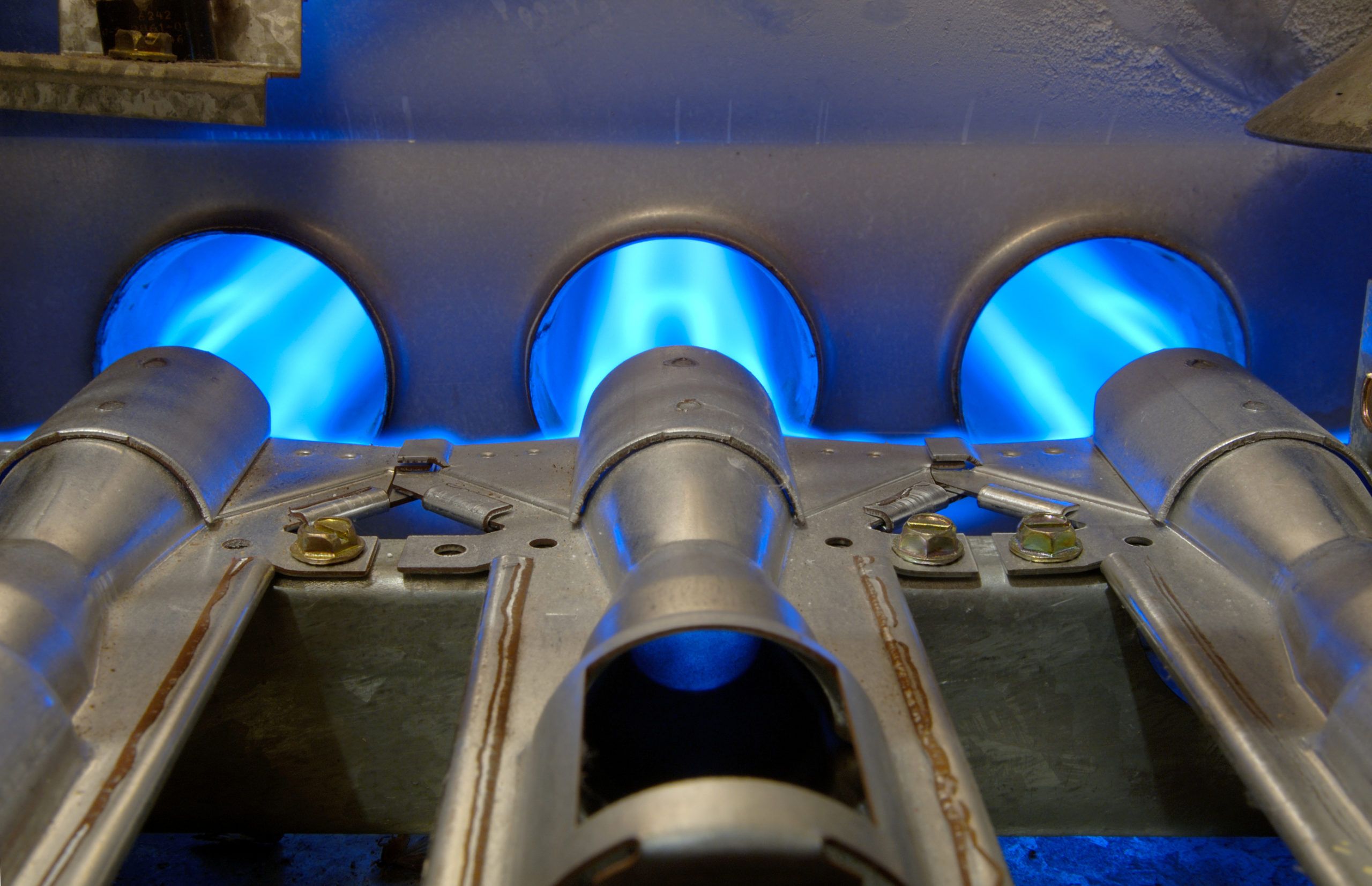
As the long, hot summer begins fading into fall, it is time to get your furnace ready for colder weather. Furnaces are tough pieces of equipment with long life spans. They routinely continue to operate effectively for up to twice as long as some air conditioners – at times even longer. However, to keep safely, efficiently and comfortably heating homes year after year, your furnace requires maintenance and occasional repairs. Most furnace manufacturers recommend an annual preventative maintenance check. Failure to undergo annual maintenance usually invalidates warranties. The ideal time to have your furnace checked is late summer or early fall.

Preventative Maintenance Process

The objectives of furnace preventative maintenance are to keep it running efficiently, make sure that it is safe, and keep it operating for years to come. With those objectives in mind, you should expect the maintenance process to include the following 10 checks:

  1. Check the furnace filter and see if a replacement is needed.
  2. Run checks on all of the safety switches and confirm that they are performing as needed.
  3. Measure and confirm gas supply pressure.
  4. Examine the heat exchanger, looking for rust or other damage.
  5. Check the vent to make sure there is no blockage.
  6. Run and test the main blower and combustion blower; check for amperage draw which would indicate bearing issues and listen for bearing noise.
  7. Test for a high carbon monoxide level; high carbon monoxide is a serious safety issue. Get a free quote for repairs needed for removing the carbon monoxide threat.
  8. Examine burner ignition to ensure it is properly igniting.
  9. Look for and clean or replace corroded electrical connections.
  10. Make sure the drainage system is clean and clear.

The professional service technicians at Semper Fi Heating & Cooling will provide you annual furnace preventative maintenance for the very low and unmatched price of $17.75.

Run Cycle

As a homeowner, there are furnace operational issues that you should be watchful for; one of the easiest to observe is the run cycle. How often does your furnace run? How long is it off before starting up again? Outside temperature will influence the run cycle, but generally only moderately. Thermostat setting will also influence the cycle. Any time you turn the thermostat up, it will run longer.

As a general guideline, your furnace should run for 12 to 15 minutes per cycle. If it is running longer or shorter than that, your furnace may be developing a problem. If the cycle time changes from normal and you haven’t moved up the thermostat, that is another indication that attention is needed.

Call Semper Fi Heating & Cooling

For more information about furnace maintenance, annual preventative maintenance programs, or run time issues, call the expert technicians at Semper Fi Heating & Cooling at 480-616-3636. If your furnace is approaching 20 years old, or if it has been requiring frequent repairs, it may be time to consider a replacement. The technicians at Semper Fi can provide good advice.
Should You Replace Both the Inside and Outside Parts of Your Air Conditioner at the Same Time?

Summer is winding down, and you may be hoping that your old air conditioner will keep working until cooler weather arrives. Even if your air conditioner is not cooling your home the way it should, waiting for cooler weather might work out, or it might not. One thing you can be certain of is that your air conditioner problems are not going to fix themselves over the winter. Waiting and hoping is not a good strategy.

Call the experts at Semper Fi Heating & Cooling to assess the problem. A minor repair might be all it takes to keep your air conditioner working well into the future. Fail to make the minor repair, and your air conditioner might not make it through the rest of summer and fall. The technicians will do everything they can to keep your system working, but sometimes replacement is more practical than repair. You may need to decide if an expensive repair on a system with significantly limited life expectancy is a good decision.

Inside, Outside, or Both

When you make the decision to replace your air conditioner, you have a second decision to make. The outside unit of your air conditioner, also called the condenser unit, is the most likely to be the first major repair to cause you to consider a replacement. The inside unit needs service and occasional repairs but generally is less expensive. If the compressor goes out on your outside unit, the cost of replacement is substantial. Should you replace the outside unit only or both inside and outside units?

Why You Should Consider Replacing Both

  1. Newer systems are more energy efficient. If you replace both units, you can expect that your new air conditioner will save you money through lower utility bills in the future.
  2. You will have a multi-year warranty on your new air conditioner. Your system will still need preventative maintenance and possibly some minor repairs, but the expensive parts will be covered by the warranty.
  3. Replacing both inside and outside units at once is significantly less expensive than replacing outside now and inside a few years in the future.
  4. Older air conditioners often contain older refrigerants, the kind that harm the atmosphere when released and possibly cause refrigerant poisoning if they leak. Newer refrigerants are better and significantly less harmful to the environment.
  5. If you replace both inside and outside units at the same time, all of the components of the system are sure to be compatible. If you replace the outside unit this year and the inside unit in five years, you may end up with a system that is not perfectly compatible. An incompatible system may not cool as well as it should and may cost more to operate.

The one or both decision is much like a decision you may have faced with your car. It is expensive to replace the engine, and if you do, you have a car with a great new engine but concern about other car parts breaking down. Replace both inside and outside, and you have a new car.

Call the experts at Semper Fi Heating & Cooling at 480-616-3636 and make an appointment to discuss the options for air conditioner replacement or repair.

Finding and Fixing a Refrigerant Leak in Your Air Conditioner

Water is a chemical compound that has the ability to change form. At low temperatures it is ice, at mid-range it is liquid, and at high temperatures it is steam. There is a different form-changing class of chemical compounds in air conditioning systems generally referred to as refrigerant. Refrigerant changes from liquid to gas and back, as it is used to cool the air in your home.

Without refrigerant, your air conditioner cannot cool the air. Not only do you need refrigerant, but within a fairly narrow range you need the right amount of refrigerant under the right amount of pressure. Your air conditioner does not consume refrigerant; it circulates the same refrigerant over and over.

Sometimes the pipes that contain the refrigerant in your air conditioning system develop leaks. In the normal course of operation, an air conditioning system can lose a small amount of refrigerant. Your HVAC technician may recommend a “top-up” of the refrigerant levels on your system as part of routine maintenance.

The Basics About Air Conditioning

The concept is simple: collect heat and take it outside, produce cool air and bring it inside, then distribute the cooled air around the inside. The actual work is a little more complicated. Heat from inside is collected from the air intake ducts throughout your home. The heat is absorbed by the refrigerant and moved outside where it is compressed, causing it to cool. Heat is discharged outside and the cooled air travels back inside where it is distributed and picks up more heat to keep the cycle going over and over.

Stand next to the outside unit and you will feel the heat being distributed outside. Stand in front of a cool air outlet inside and you will feel the cooler air coming out. Heat discharges outside, cool air is distributed inside, and the cycle is repeated over and over again.

Finding the Leak

If there is a significant refrigerant leak in your air conditioning system, you may notice symptoms like the following:

  • Ice buildup on the coils
  • Cool air coming into your home is not as cool as it should be
  • System running longer while the time between cycles is less
  • Puddles of liquid by your outside unit
  • Utility bills going up because your system is running longer
  • Unusual sounds (listen for a bubbling sound)
  • If the leak is bad enough, your air conditioner will stop cooling entirely

An air conditioner service technician has the skills and tools to measure refrigerant levels and determine if the refrigerant is so low that it is causing your system to not operate as it should.

Fixing the Leak

A big part of fixing the refrigerant level is finding the leak. The first place a technician will look is the coils; small cracks in the coils can cause slow leaks. Repairing a refrigerant leak is usually not a do-it-yourself task – call an expert technician. Technicians have specialized tools to find and repair leaks. Small cracks can be patched; multiple cracks and other signs of advanced wear might mean that new coils are needed.

Failure to repair a refrigerant leak can cause big damage to other parts of your air conditioning system. A refrigerant leak serious enough to develop obvious symptoms is in need of prompt attention.

The service technicians at Semper Fi can help you understand your options for repairs. They are dedicated to helping you get as much life out of your older system as practically possible and offer competitive, cost-effective system replacement options as needed.

Call Semper Fi at 480-616-3636 to make an appointment for a technician to check your system’s refrigerant level and add whatever is needed to get your system back to working like new at full efficiency.

Signs That a Heat Pump Needs to Be Replaced

Heating and cooling systems are complex mechanical/electrical systems. They work hard with repeated cycles day and night year-round to keep your home warm and cool. Conventional central furnace and air conditioning systems typically have a lifespan of 10 to 15 years. Heat pumps tend to have a longer life expectancy of 15 to 20 years. A few years before your heat pump needs to be replaced, you may start to see signs that it is not operating at peak efficiency. You may experience warm and cool areas within your home, or it may just take longer for it to get to the temperature you have it set for.

Repair Frequency

Initially, HVAC technicians can make repairs to get your heat pump back into good condition. Occasional repairs can be expected at any time. If your heat pump is more than 12 years old and the repair frequency begins to occur more often, you could be seeing signs that a replacement is going to be needed in the next few years. You may find that more and more worn-out parts need to be replaced. When the cost of repairs add up to half the cost of a replacement, then it is time to look seriously at replacement.

Run Cycles

Normally, your system should cycle as your thermostat tells it to turn on and off. If it is staying on longer than usual or running constantly, there is a problem. It is time to call a service technician to diagnose and repair the problem. It is possible that you have a thermostat problem, and your thermostat can be repaired or replaced. It is also possible that you have a heat pump problem that needs attention. It could be an early sign that a replacement will be needed soon.

Air Quality

Stale air and humidity are also signs of a malfunctioning heat pump. If you notice a difference in your interior air quality, your heat pump should be inspected. A heat pump that is nearing its life expectancy can cause changes in air quality.

Other Signs

Low coolant is a likely sign that there is a coolant leak that needs to be repaired. If you find that your heat pump is no longer keeping you warm in winter and cool in summer, it is probably approaching replacement time. Rising energy bills when there has not been a rate increase is a sure sign that your heat pump is becoming less energy efficient. You should seriously consider getting your heat pump replaced in order to lower your energy bills.

Are you hearing noises from your heat pump that weren’t there before—especially grinding and banging? Then, it is time to get it inspected and get a service technician’s opinion if a replacement is needed. A carbon monoxide leak is a serious potential health problem for your entire family. If your heat pump has a carbon monoxide leak, it is definitely time to make arrangements for replacement without delay.

Call Semper Fi Heating & Cooling

The professional technicians at Semper Fi Heating & Cooling have extensive experience with servicing and installing heat pumps in Mesa and the entire Phoenix metro area. They can inspect, diagnose and repair problems. They can give good advice if your heat pump has reached the point where it needs to be replaced. At Semper Fi Heating & Cooling, we also offer fast and affordable solutions for plumbing emergencies.

Why Is No Warm or Cold Air Coming Out of Some of My Vents?

If the vent is open, and if it is properly connected to the ductwork, then the problem is probably an air intake vent. The fundamental principle of a central heating and air conditioning system is that room air is drawn into ducts where it moves to a central unit for heating and cooling. Then, it’s blown out other ducts and into your home from the air supply vents as warm or cool air. Eventually, the air is drawn back into the intake vents and the circulation cycle continues over and over. Along the way, the circulating air provides other benefits.

Filter Pollutants

As room air makes its way through air intake, ducts, heating or cooling, supply ducts and out the supply vents, it passes through a filter. The filter is your first defense in keeping harmful particles out of the air that you breathe.

There are other systems that can be installed to kill the germs that are circulating in your indoor air. The REME HALO is a highly recommended air purification system that you can install in ductwork, but it is not a replacement for the air filter. For clean air, there is no replacement for heating and cooling system air filters. Use a good filter and change it often. Once or twice a year is not enough. Use good filters, buy them in bulk, and change them frequently. The cleaner the filter, the cleaner the air in your home.

Maintain Air Pressure

Your HVAC heating and cooling system is a recirculating system. When warm or cool air comes out of the supply vents, an equal amount of air must go into the intake vents. Your home has been engineered for balanced airflow. If the intake vents are blocked or otherwise inadequate to balance the supply vents, the system will not work properly or efficiently. The heating and cooling system of your home demands balanced airflow. You may find that some are not heating and cooling as well as others.

If intake vents are blocked, your system still attempts to blow the same amount of air out of the supply vents. Pressure in the ducts will increase, causing the blower to work harder, which will increase your utility bills. Additionally, the pressure will cause ducts to leak, which will increase costs even more. Increased wear on your blower will eventually reduce the lifespan of your system.

It is important that you do not put furniture in front of air intake vents. Do not put rugs over them; do not close or obstruct them in any way. Nothing comes out of intake vents, but it is very important that unobstructed air be able to go into them.

Contact Semper Fi Heating & Cooling

With the high temperatures in Arizona, it is important that your heating and cooling system perform as it has been engineered to operate. Remember, change your filters often and do not obstruct your air intake vents. If you have questions about the operation of your system, get in touch with the expert technicians at Semper Fi.